Search Icon Search Icon

We use cookies to improve user experience and analyze website traffic. By clicking “Accept”, you agree to our website’s cookie use as described in our Cookie Policy. To view our Cookie Policy in full click here.

Preferences
  • This website cannot function properly without these cookies.

  • Analytical cookies help us enhance our website by collecting information on its usage.

The Terrace, Canterbury

OVERVIEW

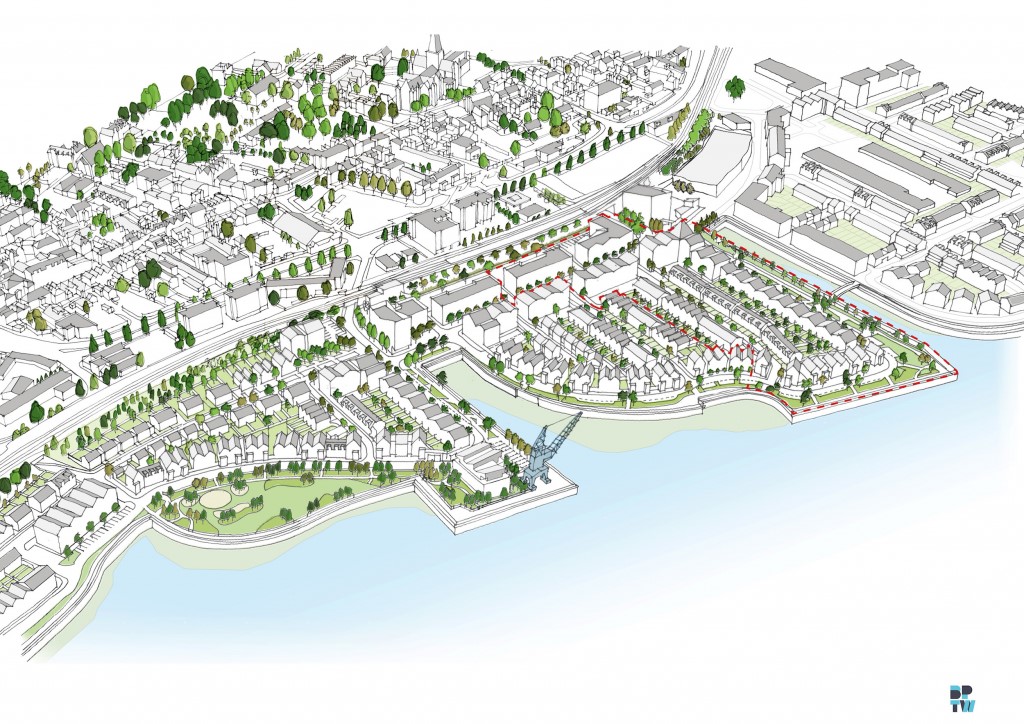
The Terrace follows the line of St Peter’s Lane, an ancient route linking St Radigund’s Street with the High Street.

The site was previously occupied by semi-derelict, post-War prefabricated buildings built to provide temporary classroom accommodation.

The site is historically important and lies within a Conservation Area. Through carefully considered design, excellent materials and immaculate attention to detail, The Terrace both meets local expectations and sets new standards for development in Canterbury.

CONTEXT

The site’s context is highly varied, with modern architecture to the south-east, historic gardens to the north and late 19th Century terraced housing to the north-west. The elevation fronting St Peters Lane follows historic principles of scale massing, presentation, materials and detailing.

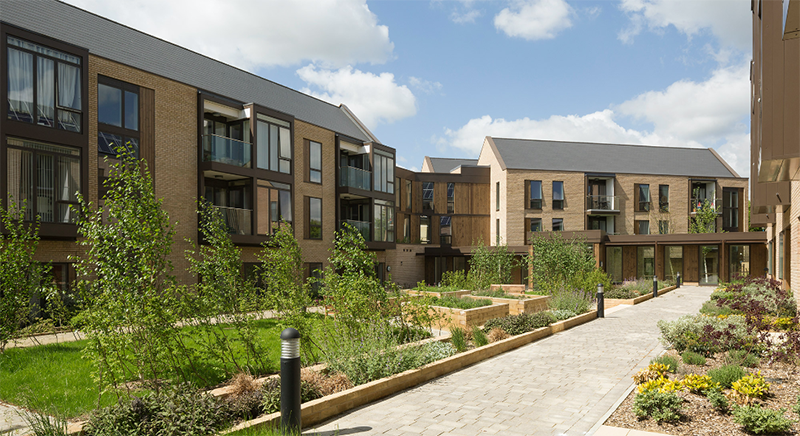
The northern elevation addresses a narrow access lane; when viewed from the public garden area bordering the River Stour, the upper levels are more active. This elevation also cleverly links the corner of the site to the more modern rear elevation that, while using historically sensitive materials, complements the nearby Marlowe Theatre with more contemporary detailing and styling.

Location:

Canterbury, Kent

Project type:

Major residential

Completed:

2018

Architect/designer:

CDP Architecture Ltd (Canterbury, Kent)

Main builder/contractor:

Abbotts S T Ltd (Canterbury, Kent)
DESIGN PRINCIPLES

The front elevation is in traditional local red brick with painted timber front doors and bespoke multi-paned painted timber sash windows with rubbed brick arches over. These elements maintain the site’s historic appearance, while meeting modern standards of safety, security and sustainability.

A Flood Risk Assessment identified that the finished floor level needed to be 9.2m above ODN (about the same as the existing floor level). This gave the designers the opportunity to introduce individual flights of steps from the pavement level to each front door, with cast-iron detailing further enhancing the street scene. The change in level along the site frontage means the length of each flight diminishes from north to south: where appropriate dummy, blank windows are inserted to maintain the balance of the elevation. Shallow front gardens are separated from the pavement by a low brick wall, softening the edge of the site.

PROJECT HIGHLIGHTS

  • The rear elevation is a careful blend of local, contextual materials, including brickwork and metal cladding, with modern powder-coated aluminium glazed windows and doors. The detailing is much simpler, with stretcher-bond brickwork walls and no arches over openings.
  • The gardens to the rear are small, but this is mitigated by the site’s proximity to public parks and amenities. These gardens also provide level access not possible along the street frontage.
  • Materials have also been chosen to achieve the best possible U-values within economic and contextual constraints, raising the buildings’ overall thermal efficiency, reducing reliance on heating and eliminating the need for any cooling systems. High-efficiency boilers, integral MVHR systems and energy-efficient fixtures and lighting all reduce energy consumption.
  • Long term sustainability has been considered in the choice of materials. The brick, timber/steel frame, zinc wall cladding, glass, concrete, timber windows and powder-coated aluminium frames can all be reused or recycled at the end of the project’s design life.

COMMUNITY INVOLVEMENT

The designers and developer engaged with the local community in the early stages of the design process, including a formal presentation to representatives from the St Peter’s Association and The Canterbury Society, and members of the public. There were some concerns regarding the contemporary design of the proposed rear elevation, but these were addressed and successfully allayed through this discussion.

OUTCOMES

The Terrace has been widely praised by planning officers, property developers and local agents, and been embraced positively by residents and the city community. In 2016, the project received a Best New Build award from The Canterbury Society.